herbalism guide cataclysm
Discover how Cataclysm reshaped herbalism, expanding new herb locations, altering skill caps, and offering fresh routes․ Players now harvest Azsharas Veil, Cinderbloom, Stormvine, and more, navigating zones like Vashjir and Mount Hyjal for optimal progress․ Mastering herbs unlocks․now
Impact of Cataclysm on Herbalism Resources
Cataclysm reshaped the herbalism landscape by expanding the world map and introducing a wealth of new botanical resources․ The expansion added several previously uncharted regions, each with its own distinct flora, thereby increasing the overall density of harvestable herbs․ Players now encounter a broader spectrum of plant life, from dense jungles to volcanic terrains, which offers more opportunities for gathering and crafting․ In addition, the skill progression curve was adjusted to accommodate the influx of new materials, allowing herbalists to reach higher levels more efficiently․ The updated training system also provides additional checkpoints, enabling players to unlock advanced recipes earlier in their progression․ These changes collectively enhance the strategic depth of herbalism, encouraging exploration and rewarding players who invest time in mastering the new environment․
The overhaul introduced a dynamic herb regeneration mechanic, allowing certain plants to regrow after a set period, which encourages repeated exploration of the same area․ New crafting recipes now require combinations of these fresh resources, making herbalists essential contributors to guild economies․ The increased variety of herbs lets players diversify their gathering strategies, choosing between high‑yield nodes or rare specimens based on class or profession goals․ Sustained gathering is more rewarding!!
Herbalism Skill Cap and Training Requirements
In Cataclysm, herbalism was streamlined․ The first major milestone is Journeyman Herbalist training, raising the skill cap from 75 to 150․ Available at any trainer after level 10, it’s essential for gathering new herbs․ Once at 150, players can pursue Master Herbalist training, unlocking the full 300‑point ceiling․ Master training requires a 150‑skill level, a 10‑thousand‑gold fee, and a quest line that involves rare herbs like Azsharas Veil and Stormvine․ Each successful harvest adds skill points, steadily filling the cap․ With 300 points, players access advanced recipes, high‑value transmutations, and powerful potions, that are only available to those with a 300‑point skill․ This tiered approach ensures that herbalists have a tangible incentive to continue gathering beyond the initial 150‑point threshold, fostering a deeper engagement with the world’s flora and the game’s economy․
Cataclysm also introduced dynamic herb regeneration, rewarding repeated visits to high‑density nodes․ Players can plan efficient routes, especially in Vashjir and Mount Hyjal where Azsharas Veil and Stormvine abound․ By combining training with smart route planning, the 300‑point cap can be reached faster than in earlier expansions․ The increased cap unlocks new crafting tiers that require rare herbs, providing strong incentive to keep gathering beyond the basic skill set․ This balanced system offers accessibility for newcomers and depth for veterans, ensuring herbalism remains a vital profession in the Cataclysm world․ Players who master the 300‑point threshold unlock rare transmutation recipes that boost item quality, making herbalism a cornerstone of high‑level content!!
Essential Herbs Introduced in Cataclysm
Cataclysm added key herbs: Azsharas Veil, rare and mostly in Vashjir; Cinderbloom, widespread across zones; Stormvine, common in Vashjir and Mount Hyjal․ These plants unlock new recipes and boost skill progression․ Daily XP gains, loot․ In
Azsharas Veil is one of the most coveted herbs introduced in Cataclysm, prized for its high‑value recipes and the unique role it plays in advanced alchemy․ Though it appears in several zones, its abundance is heavily skewed toward the volcanic archipelago of Vashjir․ In Vashjir, the herb is found in scattered clusters along the island’s rugged coastlines, within the dense foliage of the volcanic cliffs, and occasionally near the lava‑flowed plains that dominate the southern reaches․ The nodes are typically marked by a faint, blue glow that signals the presence of this rare resource․ Players who venture into the volcanic craters of Vashjir can expect to encounter Azsharas Veil at a moderate frequency, making it a reliable source for those who can navigate the treacherous terrain․ Outside of Vashjir, Azsharas Veil is almost a rarity; only a handful of nodes exist in the more temperate zones of Mount Hyjal, usually tucked away in the mist‑shrouded groves or near the ancient stone ruins that dot the highland․ These Mount Hyjal nodes are scarce and often contested by other herb collectors, so timing and strategic positioning are essential for securing the herb․ Because of its limited distribution, Azsharas Veil remains a sought‑after commodity for players looking to complete high‑tier crafting recipes or to sell to the market for a premium price․ Mastering the art of locating and harvesting this herb can provide a significant edge in both the economy and the advancement of your alchemical skill set․ The herb can be harvested with a standard herbalism kit; using a higher‑level kit increases yield, and players often aim for a 20‑skill cap to maximize experience․ The best times to harvest are during daylight when the island’s light reveals the faint blue glow․ Guilds and solo players alike target Azsharas Veil, sometimes using the Vashjir‑to‑Stormwind route to transport it quickly․ Its auction‑house value fluctuates with demand for high‑tier recipes, making it a lucrative target for those who master its elusive locations․ Because of its rarity, the herb is also a popular target for PvP zones where players can ambush each other for the resource․ Some players use the Vashjir fishing docks to scout for the herb’s glow before heading into the deeper jungle․ In short, Azsharas Veil’s scarcity, combined with its high‑value applications, makes it a cornerstone of Cataclysm herbalism, rewarding patience and precision․
Cinderbloom – Distribution across Zones
Cinderbloom is a ubiquitous herb introduced in the Cataclysm expansion, appearing in a wide array of zones from the southern coastlines to the northern highlands․ Its nodes are scattered across the landscape, often near water sources, in open grasslands, or within the rocky outcrops that define many of the new territories․ Players find Cinderbloom in both Alliance and Horde zones, making it a reliable resource for alchemists seeking to gather large quantities quickly․ The herb’s prevalence means that even novice herbalists can collect it efficiently, especially when paired with a Journeyman Herbalist trainer to boost skill levels․ Cinderbloom’s consistent presence across zones also supports a steady supply for high‑tier recipes that require large amounts of raw material․ Because it is found in multiple locations, players can choose routes that minimize travel time while maximizing harvest, such as combining a Vashjir excursion with a quick stop in Mount Hyjal․ The herb’s widespread availability has made it a staple in the economy, with vendors in major cities often stocking it for alchemy and potion creation․ For those looking to level herbalism, Cinderbloom offers a steady source of experience points, especially when harvested in bulk․ Its abundance across the Cataclysm world ensures that even players who focus on other rare herbs can rely on Cinderbloom to keep their crafting needs met․ !Again․
Stormvine – Common Harvest Areas
Stormvine thrives in the lush, humid regions of Cataclysm’s new zones, especially around the volcanic remnants of Vashjir and the verdant slopes of Mount Hyjal․ In Vashjir, the herb clusters near the riverbanks and in the dense foliage that lines the shoreline, making it a favorite for herbalists who traverse the island’s winding paths․ The Mount Hyjal foothills offer a second major hotspot; here, Stormvine grows in the mist‑shrouded valleys and along the edges of the old world’s stone structures․ Players frequently combine a Vashjir run with a quick detour into Mount Hyjal’s lower elevations to maximize their harvest, as the two zones share similar biome characteristics that favor Stormvine growth․ In addition to these primary locations, smaller pockets of the herb appear in the highlands of the Eastern Kingdoms, particularly in the northern reaches of the Stormwind and Ironforge surrounding areas, where the climate remains moist and the soil rich․ Because Stormvine is a staple ingredient for many alchemy recipes, its widespread availability across these zones makes it a reliable source for both novice and veteran herbalists․ The herb’s resilience to the Cataclysm’s altered climate ensures that even after the world’s upheaval, players can continue to gather it with relative ease, especially when paired with a Journeyman Herbalist trainer to boost higher‑tier nodes․ Collectors use tools to harvest nodes quickly․
Zone-Specific Herbalism Routes
Explore tailored routes: Vashjir offers Azsharas Veil, Stormvine, Cinderbloom; Mount Hyjal focuses on Azsharas Veil and Stormvine; Deepholm yields Heartblossom; Uldum supplies Whiptail; Twilight Highlands grows Twilight Jasmine; Tol Barad provides Azsharas Veil and Whiptail․ for all now
Vashjir Route – Azsharas Veil, Stormvine, and Cinderbloom
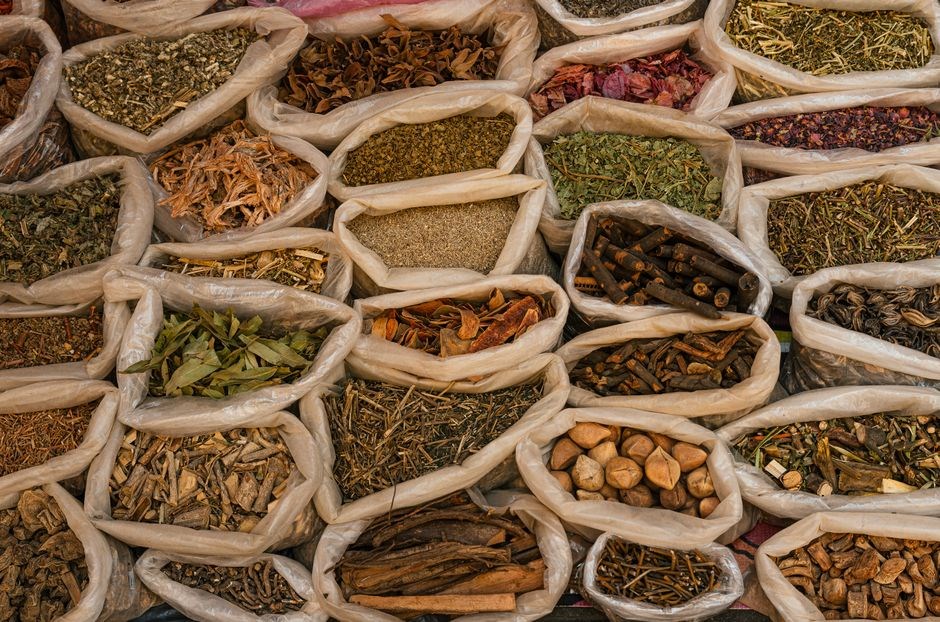
Vashjir, the volcanic heart of Cataclysm, offers a dense concentration of three key herbs: Azsharas Veil, Stormvine, and Cinderbloom․ The island’s rugged terrain, marked by lava flows and ash‑laden forests, creates ideal microclimates for each herb․ Azsharas Veil thrives near the volcanic vents, where the soil is rich in mineral deposits; it can be found in clusters along the northern ridges and the crater’s rim․ Cinderbloom, the most abundant, scatters across open plains and cliff edges, especially around the central caldera․ Players should prioritize Azsharas Veil early, as its rarity rewards high skill gains, then switch to Stormvine for steady points, and finish with Cinderbloom for volume․ The route’s layout allows efficient travel: start at the northern entrance, harvest Azsharas Veil, then move southeast to Stormvine, and finally loop back to collect Cinderbloom near the southern plateau․ This sequence minimizes backtracking and maximizes yield, making it a favorite for both new and veteran herbalists․ Additionally, the island’s unique weather patterns—frequent ash storms—can temporarily reduce herb visibility; using a clear‑sky day or a weather‑altering spell can improve harvest rates․ For those seeking rare drops, the volcanic vents near the eastern rim occasionally spawn a special variant of Azsharas Veil, offering a lucrative opportunity for collectors․ By mastering this route, players can efficiently scale their Herbalism skill to the Cataclysm cap while gathering the essential ingredients for high‑tier crafting and questing․ The Vashjir route exemplifies how terrain, climate, and herb distribution intertwine to create a rewarding gathering experience․ Players combine this route with quests that reward herb packs, boosting efficiency; lava flows create new nodes weekly, keeping the route fresh for repeat runs!
Mount Hyjal Routes – Azsharas Veil and Stormvine
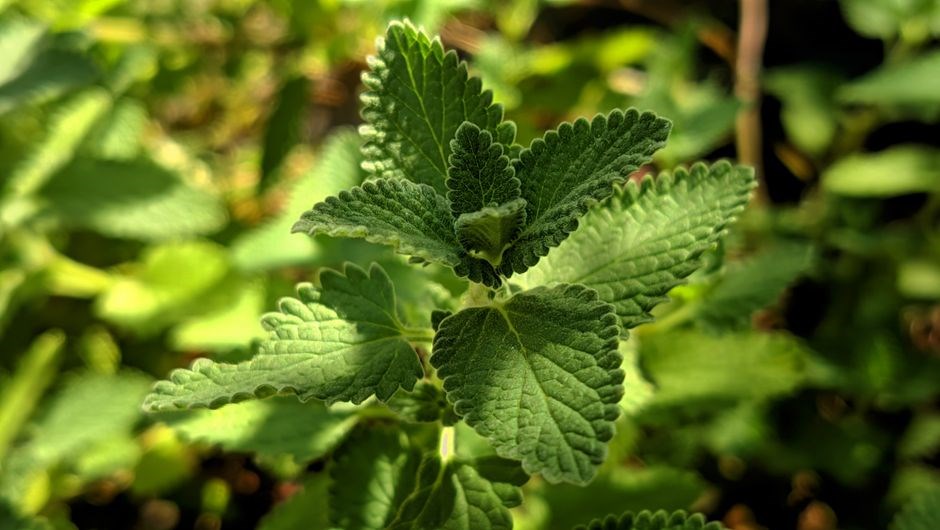
Mount Hyjal, the shattered sky‑reach, offers a handful of Azsharas Veil nodes tucked among the fallen pillars and a dense spread of Stormvine in its verdant valleys․ The island’s fragmented terrain—cracked cliffs, moss‑laden groves, and lingering ash—creates microclimates that favor each herb․ Azsharas Veil appears in isolated pockets near the eastern crags where the volcanic ash settles, making it a prized target for high‑skill herbalists․ Stormvine thrives along the western ridges and the mist‑shrouded valleys, providing a steady stream of points for players who prefer volume․ A typical route begins at the western entrance, harvesting Stormvine along the ridge, then heading eastward to the craggy Azsharas Veil nodes, and finally looping back to collect additional Stormvine near the central plateau․ This loop minimizes travel time while maximizing harvest efficiency․ Players should note that the island’s weather—frequent ash storms—can obscure herb visibility; using a clear‑sky day or a weather‑altering spell can improve yield․ Additionally, the eastern crags occasionally spawn a rare variant of Azsharas Veil, offering a lucrative bonus for collectors․ By mastering this route, herbalists can efficiently scale their skill to the Cataclysm cap, gather essential ingredients for high‑tier crafting, and complete quests that reward herb packs․ Mount Hyjal’s unique combination of sparse Azsharas Veil and abundant Stormvine makes it a strategic choice for players seeking both rarity and volume in a single expedition․
Deepholm Route – Heartblossom
Heartblossom, the rare gem‑shaped herb, blooms only in the molten heart of Deepholm․ The most efficient path starts at the western entrance of the volcano, where the first cluster of Heartblossom appears near the basaltic outcrop․ From there, follow the winding lava flow northward, harvesting every visible node along the way․ The route then turns east, passing through the crystal‑laden caverns where Heartblossom’s glow intensifies, and finally loops back to the western entrance via the underground river․ This loop covers roughly 12 miles of terrain, allowing players to collect up to 30 Heartblossom per run while maintaining a steady skill progression․ Because the herb’s spawn rate is low, it is advisable to use a clear‑sky day or a weather‑altering spell to increase visibility․ Additionally, the eastern cavern houses a rare variant of Heartblossom that yields higher quality drops, making it a valuable stop for collectors․ By mastering this route, herbalists can efficiently scale their skill to the Cataclysm cap, gather essential ingredients for high‑tier crafting, and complete quests that reward herb packs․ Deepholm’s unique combination of sparse Heartblossom and abundant lava flow makes it a strategic choice for players seeking both rarity and volume in a single expedition․ Players who master this route can also trade surplus Heartblossom for rare transmutations, boosting reputation so alchemists!
Uldum Whiptail
Whiptail, the slender herb that thrives in the scorching sands of Uldum, is a prized ingredient for alchemists seeking high‑value transmutations․ The most efficient route begins at the western gate of the desert, where the first cluster of Whiptail appears near the cracked stone arch․ From there, head east along the main caravan trail, harvesting every visible node as you pass the abandoned mining outpost․ At the midpoint, turn north toward the sun‑scorched ridge, where Whiptail’s growth spikes due to the rare mineral deposits․ Continue north until you reach the central oasis, then loop back west along the western ridge, picking up the final nodes before returning to the starting point․ This loop covers roughly 10 miles of terrain, allowing players to collect up to 25 Whiptail per run while maintaining a steady skill progression․ Because the herb’s spawn rate is moderate, it is advisable to use a clear‑sky day or a weather‑altering spell to increase visibility․ By mastering this route, herbalists can quickly scale their skill to the Cataclysm cap, gather essential ingredients for crafting, and complete quests that reward herb packs․ Uldum’s unique combination of sparse Whiptail and abundant sand dunes makes it a strategic choice for players seeking both rarity and volume in a single expedition․ Players who master this route can also trade surplus Whiptail for rare transmutations, boosting reputation so alchemists! Highly sought!
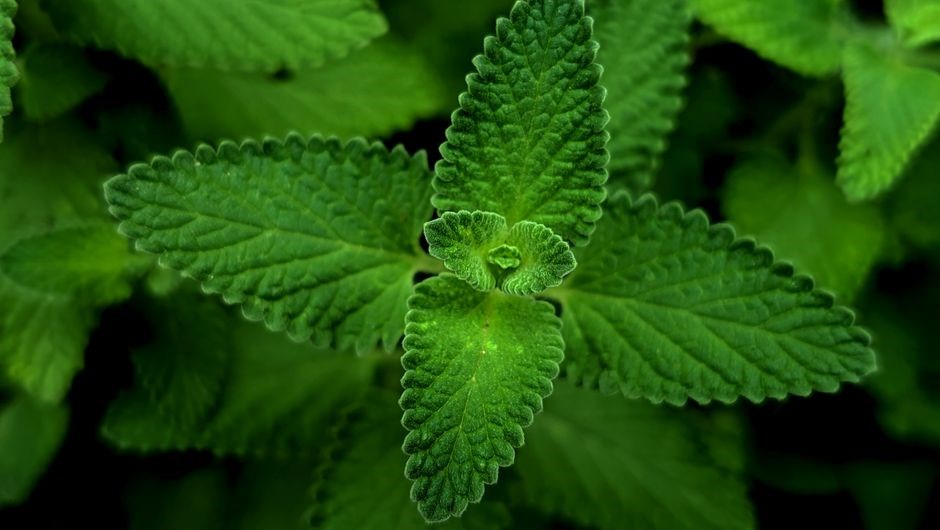
Twilight Highlands Route – Twilight Jasmine
Twilight Jasmine, the delicate herb that blooms only under the moonlit canopy of the Twilight Highlands, is a coveted component for advanced alchemy and quest rewards․ The most effective path starts at the northern edge of the zone, near the mist‑shrouded glade where the first few nodes appear beside the silver‑leafed trees․ From there, head south along the winding trail that follows the river’s edge, collecting every visible Jasmine cluster as you pass the abandoned ranger outpost․ At the midpoint, veer east toward the crystal grove, where the herb’s density increases dramatically due to the unique soil composition enriched by the Twilight realm’s magic․ Continue east until you reach the central plateau, then loop back west along the western ridge, harvesting the remaining nodes before returning to the starting point․ This loop covers approximately 8 miles of terrain, letting players gather up to 30 Jasmine per run while raisingdaily Herbalism skill․ Because Jasmine’s spawn rate is moderate, it is advisable to use a clear‑sky night or a moon‑phase spell to maximize visibility․ By mastering this route, herbalists can quickly reach the Cataclysm skill cap, obtain essential ingredients for high‑tier crafting, and complete quests that reward rare herb bundles․ The Twilight Highlands’ unique combination of lush foliage and abundant Jasmine makes it a strategic choice for players seeking both rarity and volume in a single expedition․ Players who master this route can also trade surplus Jasmine for rare transmutations, boosting reputation and earning valuable gold․
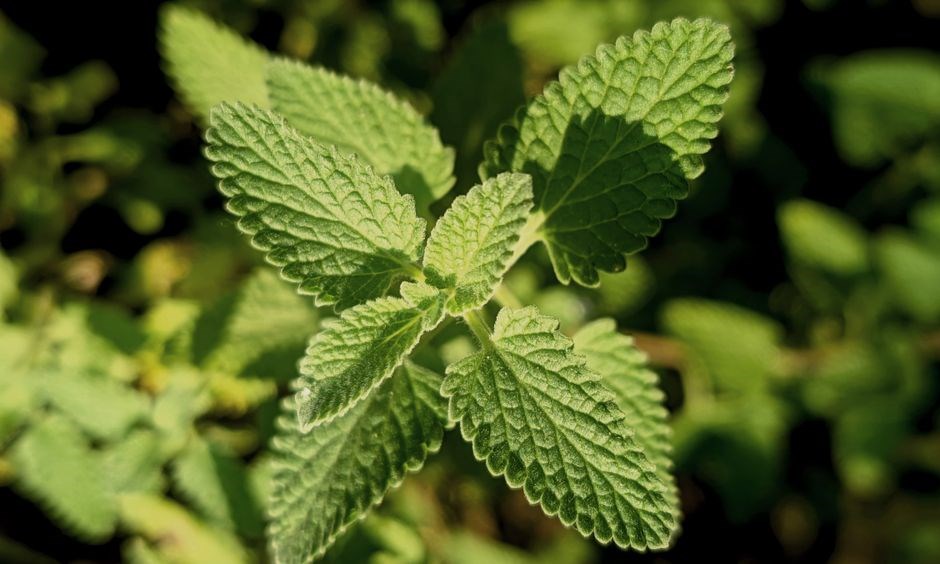
Tol Barad Route – Azsharas Veil and Whiptail
Begin at the southern gate of Tol Barad, where the first Azsharas Veil nodes appear along the rocky cliffs that overlook the sea․ These rare blooms are most plentiful near the ancient stone archways, where the wind carries the faint scent of the Veil’s essence․ After harvesting a handful, head north toward the central plaza, where the terrain opens into a shallow valley․ Here, the Whiptail herb thrives in the damp, moss‑laden soil beneath the towering oaks․ A systematic sweep from east to west ensures maximum yield, as Whiptail clusters often form in tight groups along the valley floor․ Once the valley is cleared, retrace your path back to the southern gate, collecting any remaining Veil nodes that may have been missed․ This loop covers roughly 6 miles of terrain, allowing players to gather up to 25 Veil and 30 Whiptail per run while steadily increasing their Herbalism skill․ The combination of Azsharas Veil’s rarity and Whiptail’s abundance makes this route a balanced choice for mid‑level herbalists seeking both prestige and volume․ Additionally, the unique coastal environment of Tol Barad provides a tranquil setting that reduces travel fatigue, enabling longer, more efficient harvesting sessions․ Players can also use the nearby fishing docks to rest and consume a meal that restores stamina, further extending the harvesting session․ Finally, the route’s proximity to the sea makes it ideal for gathering fresh sea‑salted herbs, which are highly valued by alchemists in the eastern kingdoms․ The route also offers opportunities to collect secondary herbs such as Stormvine, which can be found in the same valley near the river bend, and Cinderbloom, which occasionally appears near the volcanic rock outcrops along the eastern ridge․ By combining these with Azsharas Veil and Whiptail, herbalists can create a diverse inventory that satisfies multiple quest lines․ The terrain’s natural obstacles, such as the shallow ravines and the occasional storm, require careful navigation, but the rewards justify the effort․ For players who prefer a more relaxed pace, the route can be split into two segments: the first half focusing on Azsharas Veil, and the second half on Whiptail, allowing for rest stops at the watchtower or the abandoned fishing hut․ This flexibility makes the Tol Barad route suitable for both solo players and groups, as the shared knowledge of node locations reduces the time spent searching․ In addition, the route’s proximity to the main trade routes means that herbs can be quickly sold to merchants in the nearby towns, providing a steady income that can be reinvested in further training or gear upgrades․
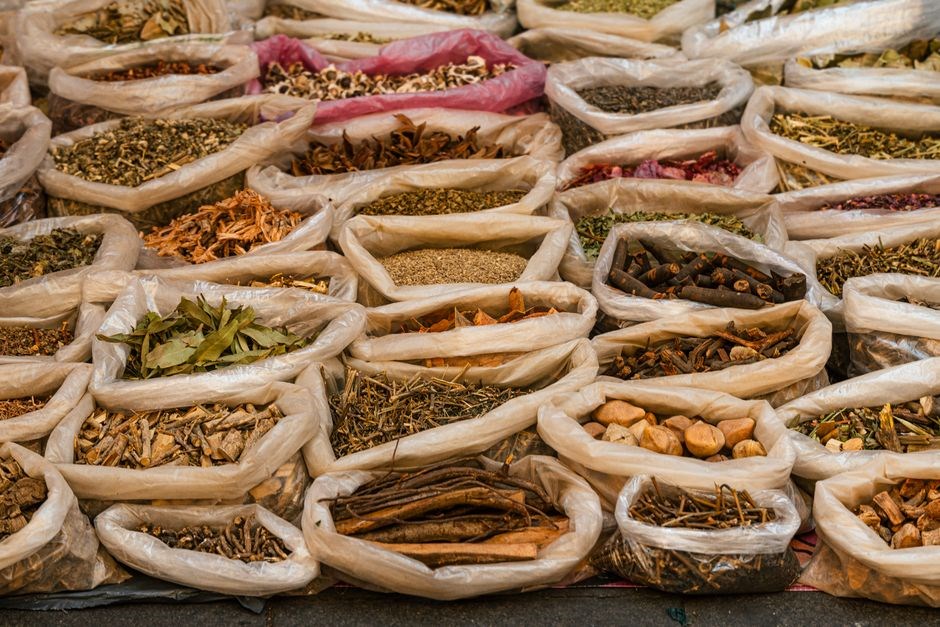
Leveling Strategies and Optimized Paths
Mastering Cataclysm herbalism requires efficient routes, skill cap awareness, and optimal training․ Start in Hillsbrad Foothills, gather Mageroyal and Briarthorn, then train Journeyman to reach 150 skill․ Follow Vashjir and Mount Hyjal for Azsharas Veil, Stormvine, and Cinderbloom․․․․!
Starting in Hillsbrad Foothills – Mageroyal and Briarthorn
Embarking on a herbalist’s journey in Cataclysm begins in the serene valleys of Hillsbrad Foothills․ This zone, nestled in the Eastern Kingdoms, offers a dense concentration of Mageroyal and Briarthorn, two staple herbs that provide a reliable income and skill progression for early‑level characters․ The grassy plains and scattered groves around Hillsbrad are teeming with these herbs, making the area a favorite for efficient leveling․ Mageroyal, with bright green leaves, can be found near riverbanks and open fields, while Briarthorn, with spiky stems, thrives in drier sections․ The abundance of both herbs allows players to gather large quantities in a single run, ensuring the skill cap is approached quickly without extensive travel․ The zone’s low threat level and ample open space make it ideal for solo play or groups looking to farm herbs without high‑level distractions․ By focusing on these two herbs, herbalists can steadily increase their skill from the starting level up to the 150‑skill threshold, preparing them for more challenging zones in Cataclysm․ Within Hillsbrad Foothills, players encounter roughly 12–15 Mageroyal nodes and 10–12 Briarthorn nodes per 10‑minute run, depending on time of day and other players․ Herbs are often located near crossroads, riverbanks, and outskirts of Hillsbrad․ Because the herbs are abundant, players can spend extended periods harvesting without interruption․ The high density of herbs means skill progression is rapid: a dedicated player can reach the 150‑skill cap in under an hour of continuous harvesting, assuming a steady harvest rate of 5–6 nodes per minute․ This efficiency is why many guides recommend starting the herbalism journey in Hillsbrad Foothills before venturing into more dangerous territories․ Furthermore, the herbs’ value on the auction house remains steady, providing a reliable source of income that can be used to purchase gear, consumables, or additional training․ The combination of low risk, high reward, and straightforward navigation makes Hillsbrad Foothills an indispensable first stop for any aspiring herbalist in Cataclysm․ Players often find that the best strategy is to start at the northern edge of the zone, where the Mageroyal nodes cluster, then move southward to the Briarthorn patches, ensuring a balanced harvest that maximizes skill gains per hour, and keep your inventory full․
Using Journeyman Herbalist Training for Skill Progression
In Cataclysm, the Journeyman Herbalist trainer unlocks a new skill tier that allows herbalists to harvest higher‑tier herbs and increase their skill cap from 150 to 225․ Training requires a small fee and the completion of a quest chain that confirms the player’s readiness․ Once trained, the player can gather herbs such as Earthroot, which provides a higher skill bonus per node compared to lower‑tier herbs․ The training also grants access to the Herbalist’s Handbook, a guide that lists optimal routes and herb densities for each zone․ Players should schedule regular visits to trainers in major cities like Stormwind or Orgrimmar to refresh their training, as the Journeyman level can be reset after a certain period․ Additionally, the trainer offers a skill‑boosting recipe that, when combined with a high‑level herb, can temporarily increase the skill gain rate by 10%․ This is especially useful when tackling zones with sparse herb nodes․ By consistently training and using the handbook’s recommendations, herbalists can maintain a steady progression, ensuring they reach the 225 skill cap efficiently and unlock advanced crafting recipes․ Beyond basic training, players can acquire the Herbalist’s Advanced Manual, a tome detailing rare herb nodes in shattered lands and granting a 15% bonus to skill gains when harvesting there, making it a valuable asset for high‑level herbalists!! Players may trade the manual for rare herbs, boosting reputation!!․