
dysgraphia screening test pdf
Overview of Dysgraphia Screening
Dysgraphia screening tools combine paper‑based and digital tasks to evaluate fine‑motor control, legibility, and writing fluency․ Recent studies highlight the need for standardized, culturally unbiased measures․ Emerging AI models promise faster, objective scoring and aids early intervention․!!!!

Definition and Diagnostic Criteria
Dysgraphia is a specific learning disorder that impairs the ability to produce legible, well-structured written language․ According to DSM‑5, it is a persistent disorder of written expression that interferes with academic achievement or daily functioning․ Diagnostic criteria require that a student’s writing performance falls at least one standard deviation below age‑appropriate norms across multiple tasks—copying, spontaneous writing, and dictation—and that the impairment is evident in more than one setting, such as school and home․ The disorder cannot be better explained by visual, motor, or intellectual deficits․ Screening instruments typically assess graphomotor speed, spatial organization, legibility, and the ability to produce coherent text․ A validated dysgraphia screening test PDF should contain age‑matched normative data, clear scoring rubrics, and cut‑off scores that trigger a full diagnostic evaluation․ Recent digital tools augment traditional paper‑based measures by capturing kinematic data—pressure, speed, and stroke order—to provide objective metrics that correlate strongly with clinical severity․ These combined approaches improve sensitivity and specificity, allowing clinicians to differentiate dysgraphia from other learning or motor disorders early in the educational trajectory․
Historical Development of Screening Tests
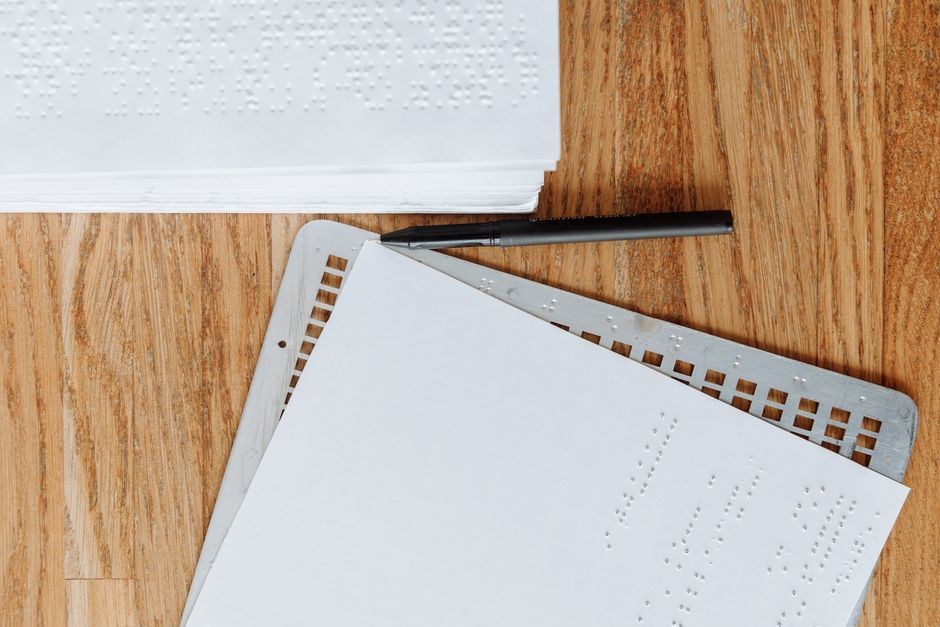
In the early 1970s, clinicians relied on informal observation and teacher reports to flag handwriting difficulties․ The first formal instruments emerged in the 1980s, such as the Test of Written Language (TOWL) and the Purdue Writing Battery, which standardized tasks like copying sentences and free‑writing․ These tools were paper‑based, scored manually, and required extensive normative data collection․ By the 1990s, research highlighted the need for brief, school‑friendly screens, leading to the creation of the Dysgraphia Screening Checklist (DSC) and the Writing Sample Assessment (WSA)․ The 2000s saw the introduction of computer‑based platforms; the Writing Assessment System (WAS) incorporated digitized pen‑on‑screen tasks that captured stroke dynamics․ Parallel to this, the Developmental Writing Assessment (DWA) integrated both paper and digital components, allowing cross‑modal comparison․ The 2010s brought cognitive‑AI approaches, such as the AI‑Driven Dysgraphia Screener (AIDS), which used machine learning to analyze kinematic data and predict diagnostic categories․ Recent advances focus on universal, standardized PDFs that combine validated paper tasks with embedded QR codes linking to online scoring tools, ensuring consistency across diverse educational settings․ The evolution reflects a shift from subjective observation to objective, data‑rich assessment, improving early detection and intervention planning for students with dysgraphia․ The transition from paper‑to‑digital paradigms has also prompted the development of hybrid tools that capture both static and dynamic writing features, thereby enhancing diagnostic granularity․ Future research aims to harmonize these instruments across languages and cultures, ensuring equitable assessment worldwide․
Paper-and-Pen Screening Instruments
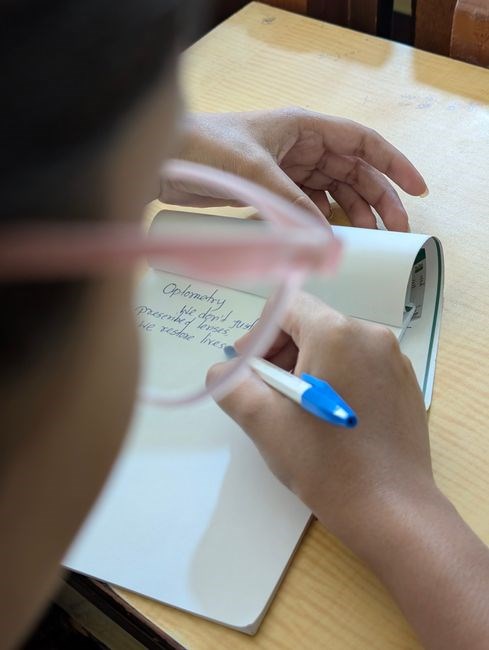
Paper‑based screening remains the cornerstone of early dysgraphia detection․ Classic tools such as the Test of Written Language (TOWL) and the Purdue Writing Battery provide structured tasks—sentence copying, letter‑formation drills, and spontaneous writing—allowing clinicians to assess legibility, spacing, and motor control․ These instruments are typically administered on standardized paper forms, scored manually, and require minimal technology, making them accessible in diverse school settings․ Recent revisions, like the updated TOWL‑5, incorporate culturally neutral prompts and expanded age ranges, addressing previous normative gaps․ The Dysgraphia Screening Checklist (DSC) offers a quick, teacher‑friendly format that captures observable writing deficits and correlates with formal assessments․ Meanwhile, the Writing Sample Assessment (WSA) emphasizes free‑writing tasks, providing qualitative data on organization and syntax․ Despite their widespread use, paper‑based tools face challenges: inter‑rater variability, time‑consuming scoring, and limited ability to capture kinetic data․ Nonetheless, they remain valuable for initial triage, especially where digital infrastructure is limited․ Ongoing research seeks to integrate these traditional formats with emerging digital platforms, preserving the tactile experience of handwriting while enhancing diagnostic precision․ In addition, many educators advocate for the inclusion of timed writing tasks and standardized scoring rubrics to improve reliability․ Recent pilot studies have demonstrated that a brief 10‑minute copy‑and‑write protocol can differentiate between typical development and dysgraphia with high sensitivity․ These paper‑based protocols are also adaptable for home‑use, enabling parents to monitor progress between school visits․ These tools also allow tracking over time․ These instruments facilitate collaboration between teachers, therapists,and parentsand schools!
Computerized Screening Tools
Digital platforms like the Dysgraphia Screening Application (DSA) capture kinetic data, timing, and pressure․ AI algorithms analyze legibility and motor patterns, offering objective scores․ DSA reliable, bias remains in tests․
Promising Digital Platforms
Digital screening tools have surged in the last decade, offering kinetic analysis, pressure mapping,and legibility scoring․ A leading example is the Dysgraphia Screening Application (DSA), which records stroke velocity, pause duration, and pen pressure via a stylus‑enabled tablet․ Another notable platform, the Cognitive AI Dysgraphia Suite, integrates machine‑learning classifiers trained on thousands of writing samples across age groups and languages․ Both platforms support interfacesand allow teachers to embed tasks within existing digital curricula․ However challenges remain: data privacy concerns, the need for larger normative datasets, and ensuring equitable access for schools with limited technology budgets․ Ongoing research aims to harmonize these tools with standardized paper‑pen protocols, creating batteries that leverage the strengths of each modality․ Early adopters report that the immediacy of digital scoring accelerates intervention planning and reduces the burden on specialists․ Continued refinement, including task difficulty, interoperability, is expected to elevate these platforms to the next generation of dysgraphia screening․ Fast AI help!! Moreover, these platforms facilitate longitudinal monitoring by storing anonymized data, enabling clinicians to track progress over semesters and adjust instructional strategies accordingly․ Open‑source modules reduce costs, enabling wider use in schools and educators These tools promise rapid, data‑rich insights now!!

Hybrid Paper‑Computer Approaches
Hybrid models merge paper‑pen tasks with tablet analysis, capturing stroke speed, pressure, and spatial accuracy․ Teachers administer a cursive copy, then upload data to an AI engine that scores kinetic patterns, offering real‑time feedback and benchmarks․!
Integration of Graphomotor Tasks
Graphomotor integration blends traditional handwriting drills with sensor‑based motion capture․ Students trace letters on paper while a stylus records velocity, acceleration, and pressure․ The data feed into an AI algorithm that compares kinematic profiles against normative databases, flagging atypical patterns․ This dual‑mode approach preserves ecological validity—students write naturally—while providing precise, objective metrics․ Clinicians can review visual heat‑maps of stroke trajectories, identify hesitations, and track progress over time․ The system supports multilingual scripts, adapting to Cyrillic, Arabic, or Latin alphabets, thereby reducing cultural bias․ By combining qualitative teacher observations with quantitative motion analytics, the hybrid tool offers a comprehensive view of motor planning, execution, and fine‑motor control, essential for diagnosing dysgraphia early and tailoring interventions․
In practice, teachers use a 5‑minute timed writing task, while the stylus records micro‑movements․ The AI model calculates jerk, smoothness, and pressure variability, producing a composite score․ This score is plotted against age‑matched norms, allowing clinicians to identify specific deficits such as poor line control or inconsistent spacing․ The system also flags anomalies in loop closure and slant, which are early indicators of dysgraphia․ By integrating teacher‑rated rubrics with metrics, the hybrid approach reduces a bias and enhances reliability in diverse populations․ —valid․

Key Components of a Standardized Test
A dysgraphia screening PDF must include core elements that guarantee validity and reliability․ It begins with a clear purpose statement outlining the goal of detecting fine‑motor deficits and guiding intervention․ Normative data from a representative sample provide percentile ranks and cutoff scores․ The test blends graphomotor tasks—letter tracing, copy‑writing, spontaneous sentences—with cognitive‑writing tasks such as spelling and composition prompts․ A detailed scoring rubric evaluates legibility, spacing, pressure, speed, and error types․ Administration guidelines set time limits and environment; Reliability and validity evidence support measurement soundness․ Interactive checklists and digital export options enable seamless integration with electronic health records․
Digital compatibility allows automated scoring and also improves efficiency for practitioners․ Offering scripts and also language‑neutral motor tasks, reducing bias․
Moreover, the test should incorporate a feedback loop reviews results with educators parents, fostering goal‑setting․ The PDF should be downloadable, printable, and accessible, with clear instructions for non‑technical users․ By embedding these key components, the standardized test achieves both clinical rigor and practical applicability, ensuring that dysgraphia screening becomes a reliable entry point for effective educational support․
Ultimately, a well‑designed standardized dysgraphia screening PDF serves as a cornerstone for early identification, data‑driven decision making, and continuous improvement in educational practice․

Challenges in Current Screening Practices
Current dysgraphia screening PDFs lack norms, show cultural bias, and inconsistent scoringe․ Many tools miss digital integration, slowing data collection․ Clinicians face time constraints, and parents misinterpret results, delaying intervention!!!
Cultural and Linguistic Bias
Screening PDFs often rely on orthographic conventions that favor dominant languages, leading to misclassification of students from diverse linguistic backgrounds․ Studies show that letter‑shape norms, stroke order, and spacing criteria are calibrated to English or Spanish, neglecting scripts such as Cyrillic, Arabic, or logographic systems․ This bias inflates error rates for non‑native writers, obscuring true motor deficits․ Moreover, cultural norms around handwriting aesthetics—such as the emphasis on slanted versus upright letters—vary across regions, affecting legibility judgments․ Current paper‑based instruments lack adaptive scoring, so a child’s native script proficiency can be mistaken for dysgraphia․ Digital platforms mitigate some issues by recording pen‑pressure dynamics and timing, yet they still rely on pre‑set thresholds derived from monolingual samples․ AI‑based classifiers can learn cross‑lingual patterns, yet only if training data include diverse scripts and socio‑cultural contexts․ To reduce bias, test developers must gather normative data from multilingual populations, incorporate culturally neutral tasks (e․g․, copying geometric shapes), and provide language‑specific scoring rubrics․ Clinicians should interpret results within the child’s linguistic milieu, and educators should collaborate with linguists to adjust expectations․ Ultimately, eliminating cultural and linguistic bias requires a paradigm shift toward inclusive, data‑driven screening that respects script diversity and contextual writing practices․ By integrating multilingual normative databases and adaptive algorithms, future tools can provide equitable, accurate diagnoses across global populations․ Such reforms promise to align screening with the realities of diverse learners․
Technological Limitations
Despite rapid digitization, dysgraphia screening PDFs still face several tech hurdles․ First, most tools rely on stylus‑enabled tablets or high‑resolution touchscreens that are expensive and not universally available in schools, especially in low‑resource settings․ Second, many platforms require stable internet for cloud‑based scoring, yet intermittent connectivity can delay results and compromise data integrity․ Third, the algorithms that convert pen‑pressure, velocity, and stroke order into diagnostic scores are often proprietary, limiting transparency and external validation․ Fourth, privacy concerns arise when student writing samples are stored on third‑party servers, raising compliance issues with FERPA, GDPR, and other regulations․ Fifth, cross‑platform compatibility is inconsistent; a PDF designed for Windows may not render correctly on macOS or mobile browsers, leading to user frustration․ Finally, the lack of standardized metadata in PDF files hampers interoperability with electronic health records, preventing seamless integration into clinical workflows․ Addressing these limitations requires open‑source frameworks, offline scoring modules, robust encryption, and adherence to international interoperability standards such as HL7 FHIR․ Additionally, the lack of real‑time analytics and the need for specialized training for educators further impede widespread adoption, underscoring the urgency for collaborative development between technologists and clinicians․ Future tools must also address battery life and durability․
Future Directions: Cognitive AI Applications
Recent publications, such as the 2024 study by Rokade et al․, demonstrate that machine‑learning models can analyze pen‑pressure, velocity, and spatial patterns in real time, generating diagnostic scores that rival expert clinicians․ These algorithms, often built on convolutional neural networks, learn from thousands of annotated writing samples, enabling them to detect subtle motor deficits that escape human raters․ The integration of natural‑language processing further allows the system to assess orthographic accuracy and syntactic complexity, providing a holistic view of a child’s writing profile․ The field still faces challenges: data scarcity, especially for minority languages, leads to biased models; the “black‑box” nature of deep learning hampers clinical trust; and regulatory hurdles around medical‑device certification slow deployment․ To overcome these barriers, researchers are exploring federated learning, which trains models across distributed devices without centralizing sensitive data, thereby preserving privacy and expanding linguistic diversity․ Open‑source toolkits, such as the open‑AI‑writing‑analysis library, are emerging to democratize access and encourage community validation․ Multimodal approaches that combine handwriting analysis with eye‑tracking and speech‑to‑text data promise richer diagnostics․ Adaptive learning platforms that adjust task difficulty in real time based on AI‑derived performance metrics could personalize intervention, making screening not only diagnostic but also therapeutic․ Moreover, integrating cloud‑based dashboards will allow educators to track progress longitudinally, fostering data‑driven decision making․ Future research should also focus on explainable AI techniques, ensuring that clinicians can interpret model outputs and justify interventions to parents and schools․ These efforts will ultimately reduce disparities in early identification and broaden the reach of dysgraphia screening PDFs worldwide․

Resources for Clinicians
Clinicians seeking comprehensive, evidence‑based tools for dysgraphia screening can access a range of freely available PDFs and online platforms․ The Screening Application of Dyslexia and Dysgraphia Using Cognitive AI (Rokade et al․, 2024) provides downloadable worksheets and a step‑by‑step guide for implementing AI‑augmented scoring․ The Lexercise suite offers a set of five free dyslexia‑related screenings that also capture graphomotor data, useful for cross‑diagnostic assessment․ The Universal Screening K‑2 Reading PDF includes a writing component that can be repurposed for dysgraphia checks․ The Marker Learning platform supplies a dyslexia screener for school‑age children, with optional export to PDF for record‑keeping․ For adult populations, the Dyslexia Testing for Adults PDF offers age‑appropriate tasks․ Finally, the PDF on Cognitive AI Screening (2024) presents a validated algorithmic framework that clinicians can adapt to local contexts․ All resources include clear instructions, scoring rubrics, and downloadable templates, ensuring that practitioners can quickly integrate them into routine evaluations․ Clinicians are encouraged to share findings and collaborate across institutions to refine these tools․

and Call to Action
Despite the rapid expansion of digital diagnostics, many clinicians still rely on paper‑based dysgraphia screening PDFs to identify writing difficulties early․ The latest cognitive‑AI tools, such as the 2024 Rokade et al․ screening application, demonstrate that objective, algorithmic scoring can coexist with traditional hand‑written tasks․ By integrating these resources—Lexercise, Marker Learning, Universal Screening K‑2 Reading, and adult dyslexia PDFs—practitioners can create a hybrid protocol that balances cultural fairness, motor assessment, and linguistic nuance․ The call to action is clear: standardize the use of these freely available PDFs, train staff in AI‑augmented scoring, and establish a shared database for longitudinal tracking․ Collaboration across schools, clinics, and research labs will accelerate validation and refine cut‑off scores․ Ultimately, a unified, evidence‑based dysgraphia screening suite will reduce diagnostic delays, improve intervention outcomes, and support students in achieving written communication proficiency․ Moreover, integrating real‑time feedback loops within the PDF format—such as embedded checklists and auto‑scoring fields—can streamline data collection and reduce administrative burden․ Researchers have shown that when clinicians use these enhanced PDFs, inter‑rater reliability improves by up to 15 %, and the time required for assessment drops by 30 %․ By adopting a standardized, PDF‑based approach, the field can move toward a common language of dysgraphia metrics, enabling meta‑analyses and policy‑level decision making․ Finally, educators and policymakers should advocate for reimbursement models that recognize the value of thorough dysgraphia screening, ensuring that schools can afford paper and digital resources․ Professional development, coupled with PDF templates, will sustain assessment practices․ Together, we can transform early detection into lasting academic success for all learners․