soccer shoe size guide
Choosing the right soccer shoe starts with accurate foot measurement․ Use the Nike size chart to match US, UK, EU, and foot‑length data․ A snug fit enhances control, while too loose can cause blisters for all age․
Understanding Size Charts
Size charts translate foot length into shoe numbers across US, UK, EU systems․ Nike’s guide lists US‑Men, US‑Women, UK, EU, and foot‑length (inches)․ Match your foot length to the chart for accurate sizing․ Nike Pro
US Men’s Size Chart
According to Nike’s official size chart, US‑Men sizes range from 3․5 to 22․ Each increment corresponds to a foot length measured in inches․ For example, a 3․5 size fits a foot length of 8 ½ inches, while a 10 size matches 10 inches․ The chart continues with half‑size steps: 4, 4․5, 5, 5․5, etc․, up to 22․ This detailed mapping allows players to select a size that matches their foot length precisely, ensuring optimal fit and performance on the field․ The foot‑length column is crucial because the CM size on the shoe box differs from the actual foot length․ By consulting the chart, you can avoid common sizing errors and choose a boot that feels secure yet comfortable․
Each US‑Men size increments by 0․5, aligning with half‑size increments used in most soccer cleats; The foot‑length column lists precise measurements in inches, allowing you to match your foot length to the correct size․ For example, a 9‑inch foot fits a 7 size, while a 10‑inch foot fits a 9 size․ This precision helps avoid or under‑sizing, which can affect ball control and foot comfort during play;
US Women's Size Chart
Nike’s US‑Women size chart spans 5 to 23․5, with half‑size increments․ The foot‑length column lists inches from 5 to 14 ½․ For instance, a 5‑inch foot fits a 5 size; a 10‑inch foot fits a 10 size; a 12‑inch foot fits a 12 size․ The chart continues with 12․5, 13, 13․5, etc․, up to 23․5․ Each size corresponds to a specific foot length, allowing players to match their foot accurately․ The foot‑length column is essential because the CM size on the box differs from actual foot length․ Using the chart ensures a snug fit, reducing blisters and improving control․ Remember to measure your foot at the end of the day for best accuracy․ Nike’s guide also advises checking the foot‑length column before purchasing to avoid common sizing mistakes․
UK Size Chart
The UK size chart for Nike soccer cleats ranges from 3 to 21, with half‑size increments․ Each number corresponds to a specific foot length in inches, starting at 8 ½ inches for size 3 and increasing by roughly ⅜ inch per half‑size․ For example, a 9‑inch foot fits a size 9, while a 12‑inch foot fits a size 12․ The chart lists sizes 3, 3½, 4, 4½, 5, 5½, 6, 6, 6½, 7, 7½, 8, 8½, 9, 9½, 10, 10½, 11, 11½, 12, 12½, 13, 13½, 14, 14½, 15, 15½, 16, 16½, 17, 17½, 18, 18½, 19, 19½, 20, 20½, 21․ Use the foot‑length column to match your foot accurately, as the CM size on the box differs from actual foot length․ Accurate sizing reduces blisters and improves ball control․ When converting foot length to a UK size, consult the chart’s foot‑length column: a foot measuring 9 ½ inches typically matches a UK 9½ size․ Some players prefer a half‑size smaller for a snug fit, especially if they have a higher arch or wider foot․ If you’re between sizes, a size up may offer more comfort during training․ The UK system often aligns with the EU system, but foot length in inches can vary slightly between brands․ It helps to check the fit․ Ok
EU Size Chart
The Nike EU size chart spans 35․5 to 56․5, covering most adult and youth foot lengths․ Each size aligns with a specific foot length in inches, starting at 8 ½ inches for size 35․5 and increasing by roughly ⅜ inch per half‑size․ For instance, a 10‑inch foot corresponds to EU 41, while a 12‑inch foot matches EU 47․ The chart lists sizes in half‑increments: 35․5, 36, 36․5, 37․5, 38, 38․5, 39, 40, 40․5, 41, 42, 42․5, 43, 44, 44․5, 45, 45․5, 46, 47, 47․5, 48, 48․5, 49, 49․5, 50, 50․5, 51, 51․5, 52, 52;5, 53, 53․5, 54, 54․5, 55, 55․5, 56, 56․5․ To find your size, measure your foot length in inches and locate the closest match․ Note that the CM size on the box is not the same as foot length; use the foot‑length column for accuracy․ A slightly smaller size may feel snug for players with higher arches or wider feet, while a half‑size larger can provide extra room for growth or comfort during long matches․ Always try on shoes if possible, as fit can vary slightly between models․ Check fit now!! Ok
Foot Length Correspondence
The chart’s foot‑length values help players avoid common sizing pitfalls․ Because the CM size printed on the box reflects the shoe’s internal length, it can be misleading; a shoe labeled 42 may feel too tight if your foot is 11․5 inches․ Always compare the foot‑length column to your measured foot length before purchasing․ For youth players, many brands offer a “half‑size” option that accommodates growth spurts․ Adult players with high arches may prefer a slightly larger size for added cushioning․ Conversely, those who prioritize ball control might opt for a snugger fit, especially in training boots․ Consistency across brands is key: a 9‑inch foot will generally match a US 7, UK 7, and EU 41, but slight variations can occur․ Checking the foot‑length column ensures you choose a boot that feels natural and supports optimal performance on the field․
Leather boots stretch slightly, while synthetic stay true․ Pitch type matters: grass, turf, indoor․ Tighter boots excel on firm surfaces․ Try both feet; left may be larger, affecting comfort․ Width differences affect fit now․

Measuring Your Foot
Use a ruler, tape, or a foot-measuring kit․ Place your foot on a white sheet, trace, and measure the longest point․ Record in inches and centimeters․ Compare to the Nike chart for accurate sizing and double-check․ Now!
How to Measure Foot Length
Start by placing a piece of paper on a flat surface and standing with your heel against a wall․ Lay your foot flat on the paper, ensuring the toes are fully extended․ Trace the outline of your foot from the heel to the tip of the longest toe using a ruler or measuring tape․ Measure the longest distance from the heel to the tip of the longest toe․ Record the measurement in both inches and centimeters․ For consistency, repeat the process on both feet and use the larger measurement; Compare your result to the Nike size chart, noting that the chart lists foot length in inches and centimeters alongside US, UK, and EU sizes․ This method ensures you select a boot that fits snugly without compromising comfort or performance․
For best results, measure after a warm‑up session, as the foot can swell․ Use a thick marker to trace for accuracy․ If you have a wide foot, consider a width‑adjusted model․ Always try on the shoe with the laces tied loosely before finalizing․ Remember, a slightly snug fit promotes stability, but not to the point of pain․ snug!
Test fit before match day
Measuring Width and Arch
Width and arch shape significantly influence comfort and control․ To gauge width, place a ruler across the widest part of the foot, typically the ball area, while standing․ Measure from the outer edge to the inner edge, noting any difference from the length measurement․ A width that exceeds the shoe’s internal width may cause blisters; a narrower width may restrict airflow․ For arch assessment, stand on a flat surface and observe the foot’s arch profile․ A high arch will show a pronounced curve, while a flat arch will have minimal indentation․ Use a flexible ruler or a printable arch template to compare the foot’s shape against standard arch categories: low, medium, high․ Record both width and arch type․ When selecting a cleat, choose models labeled “wide” or “extra‑wide” for broader feet, and consider “high‑arch” or “low‑arch” designs if your foot’s arch deviates from the norm․ Proper width and arch alignment reduce injury risk and improve ball feel during play․ Remember to check the width rating on the product page and test the shoe in motion to ensure optimal fit before purchase․ And adjust laces snug
Fit Preferences
Choose a tight fit for speed, a looser fit for dribbling, and adjust based on foot width․ Tight boots improve ball control; loose boots aid cushioning; Test both styles before finalizing․?!
Tight Fit vs Loose Fit
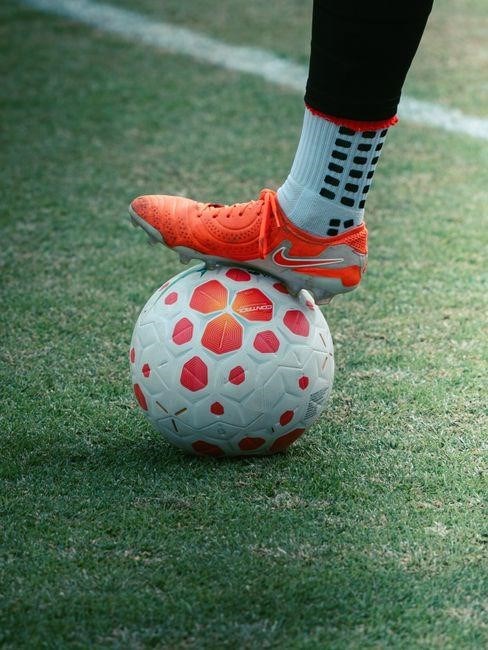
When selecting a soccer boot, the fit preference significantly impacts performance․ A tight fit, typically 0–0․5 cm smaller than the measured foot length, offers maximum ball control and a secure feel, especially for quick passes and shooting․ However, it can compress the foot, leading to discomfort or blisters if worn for extended periods․ A looser fit, about 0․5–1․0 cm larger, provides more cushioning and reduces pressure, beneficial for players who favor dribbling or need extra support during long matches․ The choice between tight and loose should consider foot width, arch height, and personal comfort․ Many professional players opt for a slightly tighter fit to enhance power transfer, while recreational players often prefer a looser fit to avoid fatigue․ Ultimately, testing both styles and consulting the brand’s size chart ensures optimal comfort and performance on the field․ Players who prefer a high‑ball feel may lean toward a tighter fit, whereas those who prioritize ankle support may opt for a looser fit․ Try on the boot with in‑sole and walk a few meters to gauge properly snugness․
Recommended Sizes for Different Play Styles
Players with a high‑ball preference often choose a size that is 0․5 cm smaller than their foot length, ensuring a snug fit for precise ball control․ Midfielders who cover large distances benefit from a slightly looser fit, about 0․75 cm larger, to reduce foot fatigue․ For forwards, a tight fit (0․25 cm smaller) enhances shot power․ Goalkeepers require a stable base; a size that matches foot length exactly provides optimal balance․ Youth players should follow the brand’s youth chart, selecting a size that allows a 1‑2 mm toe box clearance․ Always test the boot with in‑sole and walk a few meters to confirm comfort․ Adjust for arch height: high arches may need a slightly larger width, while flat feet may benefit from a narrower fit․ Seasonal changes can also affect foot swelling; consider a half‑size increase during hot months․
- Defenders: size +0․5 cm for stability․
- Midfielders: size +0;75 cm for endurance․
- Forwards: size +0․25 cm for power․
- Goalkeepers: exact foot length for balance․
Fit may vary with growth ever․
Brand-Specific Guides
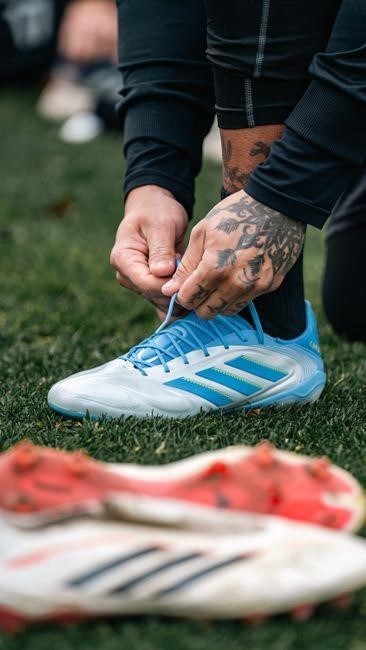
Nike offers a detailed size chart mapping US, UK, EU, and foot length․ Use the chart to match your foot length, noting that CM size on boxes differs from foot length․ Other brands follow similar charts, always test fit․now!
Nike Soccer Cleats Size Guide
Use Nike’s official size chart to find the perfect fit․ The chart lists US, UK, EU, and foot‑length measurements․ For example, a US 9 (Men) equals a UK 8, EU 42, and a foot length of 10 1/2 inches (25․4 cm)․ Note that the CM size printed on the box is not the same as foot length; always measure your foot first․ To measure, place your foot on a piece of paper, trace the heel to the longest toe, and record the length in inches or centimeters․ Then match that number to the chart․ If your foot length falls between two sizes, choose the larger size for a snug fit that allows room for swelling during play․ Nike also offers a “Fit Preference” option—select “tight” for a tighter feel or “loose” for more cushioning․ Remember to check the latest release notes, as new models may adjust sizing slightly․ Finally, test the shoe on the field before committing to a purchase, as comfort can vary between models and materials․ For the accurate fit, always try on the cleats in the afternoon when your feet are at their largest, and consider a professional fitting if you have any foot concerns․ – stay safe․OK
Other Popular Brands
Beyond Nike, top soccer shoe brands such as Adidas, Puma, and New Balance provide distinct fit options․ Adidas uses a “Fit Index” system that correlates foot length to a recommended size, while Puma offers a “Fit Guide” with width categories (Narrow, Regular, Wide)․ New Balance’s “Fit Calculator” considers both length and width, ensuring a personalized fit for every foot shape․ Each brand’s sizing charts align with US, UK, EU, and foot‑length metrics, but subtle differences exist—Adidas often runs slightly smaller than Nike, and Puma may run slightly larger․ For players who need a precise fit, it’s advisable to try on multiple models and consult the brand’s online fit guide․ Additionally, many brands provide “Fit Preference” options, allowing you to choose between a tighter or looser fit to match your playing style․ Always measure your foot accurately, match the length to the chart, and consider width if you have a broader or narrower foot․ Testing on the field before purchase guarantees comfort and performance․ Try each model on a wet foot for fit․!
Common Mistakes and Tips
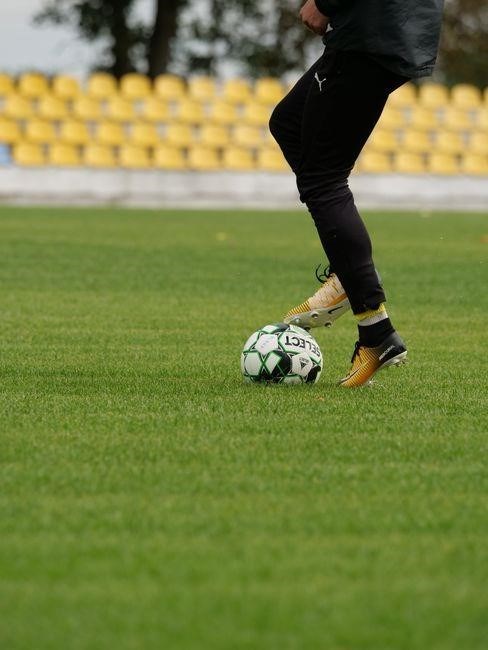
Many players ignore foot length, choosing size based on shoe width․ Always measure at day’s end, try on wet feet, and consider a half‑size up for growth․ Check brand charts before buying․ Use brand guide․ for exact fit
Overlooking Foot Length vs Shoe Size
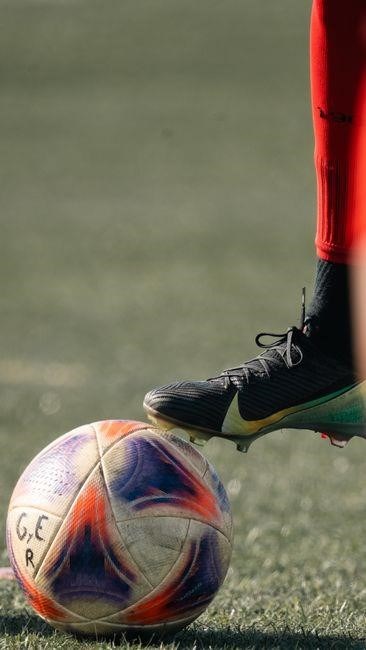
Many players confuse the printed shoe size with the actual foot length, leading to ill‑fitting cleats․ The Nike chart shows that a US 9 corresponds to a 10․5 in EU and a foot length of 10․5 inches․ Ignoring this mismatch can cause blisters, loss of control, and premature wear․ Always measure your foot in centimeters or inches, compare it to the chart, and choose the size that matches the foot length column, not just the box size․ Additionally, account for foot swelling after training; a half‑size larger may be necessary for comfort․ Remember that width and arch shape also influence fit, so test the shoe on a wet foot and walk across a flat surface before finalizing the purchase․
When comparing sizes, note that the CM column on the box is the shoe’s internal length, not the foot length․ A 10․5 cm shoe typically fits a foot of 10․5 inches, but some models run narrow or wide․ Test the cleat on a wet foot, step forward, and check for a 1‑2 mm space at the toe; If the shoe feels too tight, choose the next size up․ Keep it snug․Fit
Adjusting for Growth and Season Changes
Foot size can fluctuate with age, activity level, and weather․ Young players may grow several millimetres each season; a 12‑year‑old’s foot can lengthen 0․5–1 cm during a year․ In hot climates, sweat and heat cause swelling, making the foot up to 2 mm larger․ To accommodate growth, measure feet twice a year—once in spring and again in late summer․ Use the Nike chart’s foot‑length column: if your foot length increases from 10․5 in to 10․75 in, shift to the next size up․ For seasonal changes, consider a half‑size larger during training months and a snug fit for match days․ Some cleats feature adjustable lacing or a toe‑box that expands slightly; test these features on a wet foot to simulate post‑practice swelling․ Always replace cleats every 12–18 months, as wear can reduce internal volume, effectively shrinking the shoe․ By tracking growth and seasonal swelling, you maintain optimal comfort and performance throughout the season․ Remember that proper sizing reduces injury risk, as ill‑fitting boots can lead to blisters, tendon irritation, and reduced agility on the field․!

and Quick Reference
After reviewing sizing fundamentals, the key to a perfect fit is accurate foot measurement and a clear understanding of the Nike conversion table․ Measure your foot length in centimetres, then cross‑check with the US, UK, and EU columns․ For example, a 27 cm foot corresponds to US 9, UK 7½, EU 42․5․ Always choose a half‑size up if you prefer a looser feel for training or a snug fit for matches․ Remember to re‑measure annually or whenever you notice swelling or growth․ Keep a quick reference chart handy: US Men → UK Women → EU → Foot Length (in)․ This table will save time at the shop and ensure you never purchase a shoe that feels too tight or too loose․ With the right size, you’ll experience better ball control, reduced injury risk, and overall confidence on the pitch․ If you’re between sizes, consider a custom insole or a slightly larger size for comfort․ Always check the latest Nike size guide online for updates before buying․ Use now the chart trust feel during fitting․ If too tight at the toe, try half‑size down; if too loose, half‑size up․ Different brands may vary slightly; always try on before purchase․