
saw blade teeth guide
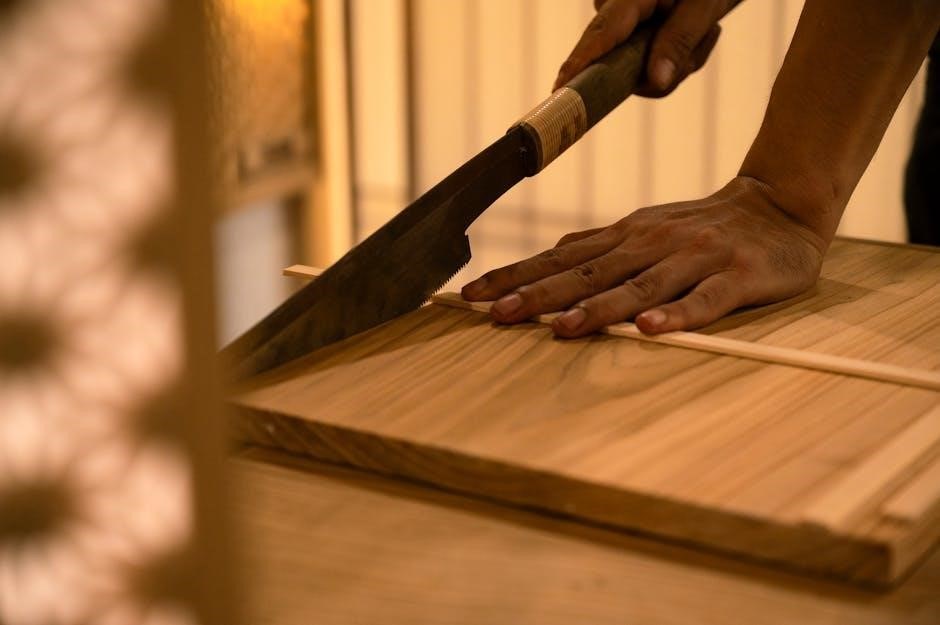
Understanding saw blades is crucial; a storied tool like the hand saw requires knowledge of its features, especially when choosing from a wide variety available today․
Navigating the diverse world of saw blades—from scroll saws to circular saws—demands recognizing specific cutting purposes and features for optimal project success․
This guide will illuminate the intricacies of saw blade teeth, ensuring you select the right blade for any material, avoiding frustrating project setbacks․
What is a Saw Blade Teeth Guide?
A saw blade teeth guide is a comprehensive resource designed to demystify the complexities of saw blade selection and usage․ It’s more than just identifying teeth; it’s about understanding how those teeth interact with different materials to achieve clean, efficient cuts․
Essentially, a guide breaks down the various tooth geometries – the shape, angle, and arrangement of the teeth – and explains their impact on cutting performance․ Considering the wide variety available, from the traditional hand saw to modern power saw blades, knowing which blade suits your project is paramount․
This knowledge empowers DIYers and professionals alike to avoid struggling with incorrect blades, ensuring straight lines and preventing damage to both the material and the saw․ It addresses common questions, like choosing between aggressive and fine teeth for reciprocating saws, or understanding the best blade for hardwoods versus softwoods․
Importance of Understanding Tooth Geometry
Grasping tooth geometry is fundamental to successful sawing, directly impacting cut quality, speed, and the lifespan of your blade․ Ignoring these details can lead to frustrating results – jagged edges, excessive splintering, or even kickback, a dangerous hazard․
The shape of the teeth, whether Alternate Top Bevel (ATB), Flat Top Grind (FTG), or Triple Chip Grind (TCG), dictates how the blade interacts with the material․ Understanding rake and bevel angles further refines this interaction, optimizing chip evacuation and reducing friction․
Choosing the wrong geometry for a specific material wastes time, damages the workpiece, and prematurely dulls the blade․ A proper understanding ensures you’re equipped to tackle any project, from intricate scroll saw work to robust circular saw cuts, maximizing efficiency and safety;

Types of Saw Blades and Their Teeth
Diverse saws—circular, jigsaw, reciprocating, miter, table, and scroll—each employ unique tooth configurations tailored for specific cutting tasks and material types․
Circular Saw Blades and Tooth Configurations
Circular saw blades are incredibly versatile, but their effectiveness hinges on understanding tooth configurations․ Different tooth patterns excel at various cutting tasks․ For instance, blades with fewer teeth, often found on reciprocating saws, are designed for rapid, aggressive cuts through softer materials․
Conversely, blades boasting a higher tooth count deliver smoother, cleaner cuts, particularly beneficial when working with hardwoods or materials requiring precision․ The geometry of the teeth – including the angle and set – significantly impacts performance․ A proper blade selection prevents splintering and ensures efficient material removal․
Choosing the correct circular saw blade involves considering the material being cut and the desired finish․ Investing in a quality blade tailored to your needs will dramatically improve cut quality and prolong the blade’s lifespan, ultimately saving time and money․
Jigsaw Blades: A Variety of Tooth Patterns
Jigsaw blades showcase an exceptional diversity in tooth patterns, each designed for specific materials and cutting styles․ Unlike circular saw blades focused on straight cuts, jigsaws excel at intricate curves and shapes, demanding specialized blade designs․ Scroll saw blades, often used in jigsaws for detailed work, feature very fine teeth for precision․
Blade selection is paramount; a blade suited for wood won’t perform well on metal, and vice versa․ Blades with smaller teeth are ideal for thinner materials and tighter curves, while those with larger teeth tackle thicker stock more efficiently․ Understanding the material’s hardness and thickness guides the optimal tooth pitch choice․
Proper blade choice minimizes splintering and ensures clean, accurate cuts, transforming challenging projects into manageable tasks․
Reciprocating Saw Blades: Aggressive vs․ Fine Teeth
Reciprocating saw blades fundamentally differ in tooth configuration, categorized broadly as aggressive or fine-tooth․ Aggressive blades, boasting larger, more widely spaced teeth, excel at demolition work – rapidly cutting through wood with nails, pipes, and other rough materials․ These blades prioritize speed over finesse, sacrificing cut quality for sheer power․
Conversely, fine-tooth blades feature smaller, closely packed teeth, delivering cleaner, more controlled cuts in materials like metal and thinner wood․ They’re less prone to vibration and splintering, making them suitable for more precise tasks․ Choosing the correct blade prevents damage and ensures efficiency․
Ultimately, the application dictates the ideal blade; demolition demands aggressive teeth, while detail work requires a finer approach․
Miter Saw Blades: Specialized for Angle Cuts
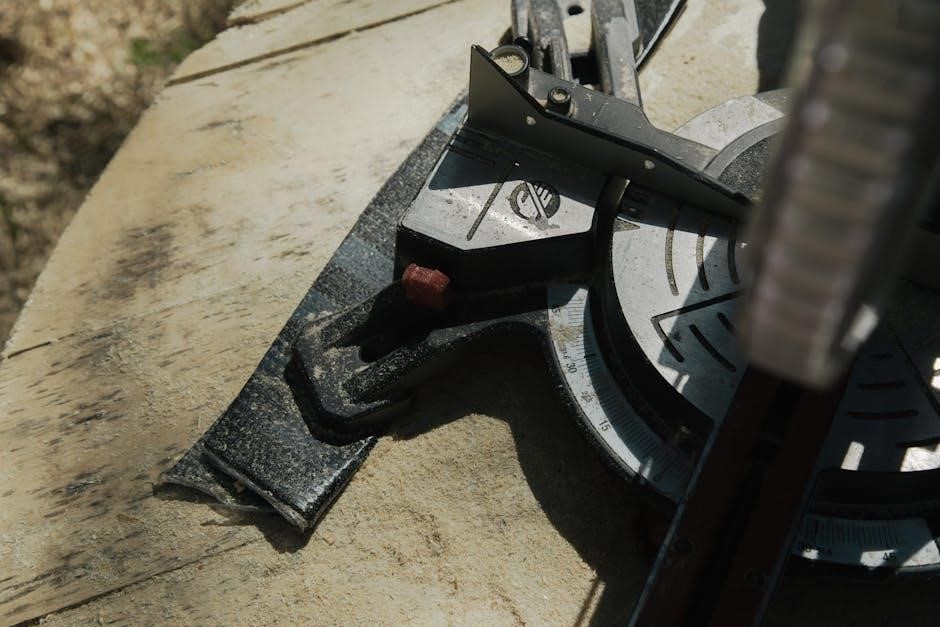
Miter saw blades are specifically engineered for precise angled cuts, crucial in trim work, framing, and woodworking projects demanding accuracy․ Unlike general-purpose blades, miter saw blades often feature a high tooth count – typically 60 to 80 teeth – to produce exceptionally clean, splinter-free cuts in hardwoods and delicate materials․
Tooth geometry plays a vital role; blades designed for cutting wood commonly employ Alternate Top Bevel (ATB) teeth, while those intended for cutting non-ferrous metals utilize Triple Chip Grind (TCG) configurations․ Selecting the appropriate blade ensures optimal performance and minimizes material waste․
Investing in a quality miter saw blade is essential for achieving professional-looking results․
Table Saw Blades: Precision and Versatility
Table saw blades represent a cornerstone of any woodworking shop, prized for their precision and adaptability across a wide range of cutting tasks․ These blades exhibit significant variation in tooth count, grind, and kerf width, influencing their suitability for different materials and applications․ General-purpose blades typically feature 40-50 teeth, balancing speed and finish․
For fine woodworking, blades with higher tooth counts (60-80) and Alternate Top Bevel (ATB) geometry deliver exceptionally smooth cuts in hardwoods․ Conversely, ripping blades, designed for cutting with the grain, employ a flat top grind (FTG) and fewer teeth for rapid material removal․
Choosing the correct table saw blade is paramount for safety and quality․
Scroll Saw Blades: Intricate Detail Work
Scroll saw blades are uniquely designed for executing incredibly detailed and intricate cuts, making them essential for crafts, model making, and fine woodworking․ Unlike other saw blades, scroll saw blades are very narrow and short, allowing for tight turns and complex shapes․ They come in various tooth configurations, influencing the type of material they can effectively cut․
Reverse tooth blades minimize tear-out on delicate materials, while standard tooth blades are suitable for general-purpose cutting․ Packages often contain multiple blades, recognizing their delicate nature and susceptibility to breakage during detailed work․ A 12-piece set of 5-inch blades provides ample replacements․
Selecting the right blade ensures clean, precise results․
Key Characteristics of Saw Blade Teeth
Tooth count, set, angle, and material are fundamental characteristics defining a blade’s performance; understanding these elements unlocks optimal cutting efficiency and precision․
Tooth Count and its Impact on Cutting
The number of teeth on a saw blade significantly influences the cutting process, dictating both speed and finish quality․ Generally, blades with higher tooth counts – exceeding 60 teeth – produce smoother cuts, ideal for delicate materials like fine hardwoods or non-ferrous metals․
However, these blades cut slower, as each tooth removes less material per revolution․ Conversely, blades with lower tooth counts – typically 24 to 40 teeth – excel at rapid cutting through thicker, softer materials like dimensional lumber․
These aggressive blades remove more material with each pass, but often leave a rougher edge requiring further refinement․ Finding the balance between tooth count and material thickness is crucial for efficient and effective sawing, preventing premature blade wear and ensuring optimal results․
Tooth Set: Positive, Negative, and No Set
Tooth set refers to the lateral bending of saw blade teeth, creating a wider kerf (cut width) than the blade’s body․ Positive set, the most common type, bends teeth alternately to the left and right, preventing binding during cutting and allowing for efficient chip removal․
Negative set, conversely, bends teeth inward, used primarily for specialized cuts in non-ferrous metals and plastics to minimize material waste and produce cleaner edges․ No set blades, often found in scoring blades or those designed for use with plunge cuts, rely on the blade’s thickness and feed rate to clear debris․
Understanding the tooth set is vital for selecting the appropriate blade for the material and desired cut quality, optimizing performance and preventing blade damage․
Tooth Angle (Rake and Bevel) Explained
Tooth angle encompasses two key measurements: rake and bevel․ Rake angle, the forward slant of the tooth face, influences cutting efficiency; a higher rake excels in softer materials, while a lower rake suits harder materials․ Bevel angle, the side slant of the tooth, affects the kerf width and chip clearance․
Alternate Top Bevel (ATB) teeth, a common configuration, feature alternating bevels for a smooth cut, ideal for general-purpose applications․ Flat Top Grind (FTG) teeth, with no bevel, are robust for cutting non-ferrous metals and plastics․ Understanding these angles is crucial for optimizing blade performance․
Proper angle selection minimizes friction, reduces heat buildup, and delivers cleaner, more precise cuts tailored to the specific material being processed․
Tooth Material: High-Speed Steel, Carbide, and Bi-Metal
Saw blade teeth are crafted from various materials, each offering distinct advantages․ High-Speed Steel (HSS) blades are economical and suitable for softer woods and plastics, but dull relatively quickly․ Carbide-tipped blades, utilizing tungsten carbide, provide exceptional durability and heat resistance, making them ideal for hardwoods, metals, and abrasive materials․
Bi-metal blades combine a flexible HSS tooth with a stronger alloy body, offering a balance of durability and resistance to breakage, particularly useful for reciprocating saws tackling diverse materials․
Choosing the correct material extends blade life, improves cutting performance, and ultimately enhances project efficiency and safety․

Identifying Common Tooth Patterns
Recognizing tooth patterns—like Alternate Top Bevel (ATB) or Triple Chip Grind (TCG)—is vital for selecting the optimal blade for clean, efficient cuts in various materials․
Alternate Top Bevel (ATB) Teeth
Alternate Top Bevel (ATB) teeth represent a widely utilized configuration, particularly favored for producing exceptionally smooth cuts in a diverse range of materials․ This design features teeth where every other tooth is beveled to the left, while the remaining teeth are beveled to the right, creating a shearing action․
The alternating bevels effectively slice through the material, minimizing splintering and tear-out, resulting in a cleaner, more professional finish․ ATB blades excel when working with hardwoods, plywood, and even some non-ferrous metals․ They are a versatile choice for general-purpose cutting tasks․
However, it’s important to note that ATB teeth can sometimes struggle with very dense or abrasive materials, as the bevels can become dull relatively quickly․ Regular sharpening or replacement is crucial to maintain optimal performance and cut quality․
Flat Top Grind (FTG) Teeth
Flat Top Grind (FTG) teeth are characterized by a simple, robust design where all the teeth are ground flat across the top․ This configuration prioritizes strength and durability, making FTG blades ideal for cutting abrasive materials and those prone to causing rapid wear on the blade․
Unlike ATB teeth, FTG blades don’t rely on a shearing action․ Instead, they cut by essentially plowing through the material․ This makes them particularly effective for ripping cuts – cutting with the grain of wood – and for working with materials like plastic and aluminum․
While FTG blades offer excellent longevity and can handle tough jobs, they typically produce a rougher cut than ATB blades․ They are not the best choice when a super-smooth finish is paramount, but excel where durability is key․
Triple Chip Grind (TCG) Teeth
Triple Chip Grind (TCG) teeth represent a significant advancement in blade technology, designed to tackle the challenges of cutting non-ferrous metals and plastics․ Each tooth features three distinct cutting edges, creating a modified trapezoidal shape․ This design excels at removing material quickly and efficiently, minimizing heat buildup during the cutting process․
The multiple cutting edges of TCG teeth provide a smoother cut and reduce the likelihood of chipping or snagging, especially when working with softer materials like aluminum or acrylic․ They are also less prone to pitch buildup when cutting resinous woods․
TCG blades are a versatile choice, offering a balance between speed, smoothness, and durability, making them a popular option for both professional woodworkers and DIY enthusiasts․
Hook Angle and its Influence
The hook angle, a critical aspect of saw blade tooth geometry, dramatically influences the blade’s aggressiveness and cutting performance․ It refers to the angle at which the tooth is inclined relative to the blade’s center axis․ A higher hook angle—typically found in blades designed for softer materials—results in a more aggressive cut, pulling the blade into the workpiece․
Conversely, a lower hook angle is preferred for harder materials like hardwoods or metals, requiring more feed pressure but providing greater control and reducing the risk of kickback․ Selecting the appropriate hook angle is paramount for achieving clean, efficient cuts․
Understanding this relationship ensures optimal blade performance and minimizes strain on both the saw and the operator․

Choosing the Right Blade for the Material
Selecting the correct blade—whether for wood, metal, or plastics—is vital for clean cuts and tool longevity, avoiding struggles and ensuring project success․
Cutting Wood: Hardwoods vs․ Softwoods
When cutting wood, the distinction between hardwoods and softwoods significantly impacts blade selection․ Hardwoods, like oak and maple, are denser and require blades with a higher tooth count – typically 40 to 60 teeth – and a more aggressive tooth angle for efficient cutting․
Conversely, softwoods, such as pine and fir, are less dense and benefit from blades with fewer teeth, generally 24 to 40, and a shallower tooth angle․ Using a blade designed for hardwoods on softwoods can lead to excessive splintering and a rough cut, while a softwood blade on hardwood will struggle and potentially overheat․
Consider the type of cut as well; crosscuts benefit from higher tooth counts, while rip cuts require fewer teeth․ Matching the blade’s characteristics to the wood’s density and the cut’s direction ensures clean, precise results and prolongs blade life․
Cutting Metal: Steel, Aluminum, and Stainless Steel
Cutting metal demands specialized blades distinct from those used for wood․ Steel, being the hardest, requires blades with high tooth counts – often 60 or more – and constructed from high-speed steel or carbide for durability and heat resistance․ A slower feed rate is crucial to prevent overheating and blade damage․
Aluminum, a softer metal, benefits from blades with fewer teeth (24-30) and a positive rake angle to prevent the material from sticking to the blade․ Lubrication is often recommended for cleaner cuts and extended blade life․
Stainless steel presents a unique challenge, requiring blades specifically designed for its abrasive nature, typically carbide-tipped with a high tooth count and a specialized tooth geometry to minimize work hardening and ensure efficient cutting․
Cutting Plastics and Composites
Cutting plastics and composites requires careful blade selection to avoid melting, chipping, or producing a rough edge․ High tooth count blades (60-80 teeth) are generally preferred for plastics, creating a finer cut and minimizing heat buildup․ A slower feed rate is essential to prevent melting, especially with thermoplastics․
Composites, like fiberglass or carbon fiber, are particularly abrasive and can quickly dull blades․ Carbide-tipped blades are highly recommended, and dedicated composite blades with specialized tooth geometry are available for optimal results․
Dust extraction is crucial when cutting these materials, as the fine particles can be hazardous․ Using a blade with a negative hook angle can also help prevent chipping and improve cut quality․
Maintaining Saw Blade Teeth
Regular sharpening and timely blade replacement are vital for safety and precision; shot blades hinder performance and increase risk during remodeling projects․
Sharpening Saw Blades: Methods and Tools
Maintaining sharp saw blade teeth is paramount for clean, efficient cuts and operator safety․ Several methods exist for sharpening, ranging from professional services to DIY approaches․ For those tackling sharpening at home, specialized tools are essential․
Diamond sharpening wheels are popular, offering precision and longevity, while carbide-tipped sharpeners provide a more aggressive approach for quickly restoring dull teeth․ Manual sharpening with files requires skill and patience, but can yield excellent results for smaller blades like those found on scroll saws․
Regardless of the method chosen, maintaining the correct tooth angle (rake and bevel) is critical․ Incorrect sharpening can alter the blade’s cutting characteristics and even damage the blade itself․ Professional sharpening services ensure accuracy and can extend the life of your blades, especially for larger or more complex tooth geometries․
Recognizing When a Blade Needs Replacement
Even with diligent sharpening, saw blades eventually reach a point where replacement is necessary․ Several telltale signs indicate it’s time for a new blade, preventing compromised cuts and potential safety hazards․
Excessive tooth wear, characterized by rounded or chipped teeth, significantly reduces cutting efficiency and accuracy․ Difficulty starting cuts or a noticeable increase in cutting resistance are also strong indicators․ If the blade produces excessive burning or leaves a rough, splintered edge, it’s likely dull and needs replacing․
Furthermore, warped or damaged blades should never be used, as they can cause kickback or blade failure․ Investing in new blades, particularly when existing ones are worn, ensures optimal performance and safety throughout your projects, avoiding frustration and potential injury․
Safety Considerations When Working with Saw Blades
Prioritize safety by ensuring proper blade installation, tensioning, and always utilizing safety glasses and protective gear to avoid potential hazards․
Proper Blade Installation and Tensioning
Correct blade installation is paramount for safe and efficient sawing, beginning with verifying the blade’s compatibility with your specific saw model․ Always disconnect the power source before any blade changes! Securely mount the blade, ensuring the arbor flange is clean and properly aligned․
Tensioning plays a vital role, minimizing blade deflection during cuts, which directly impacts accuracy and reduces the risk of kickback․ Insufficient tension leads to wandering cuts and potential blade breakage, while excessive tension can strain the saw’s motor and bearings․
Refer to your saw’s manual for precise tensioning specifications; many saws feature built-in tensioning mechanisms․ Double-check that the blade is firmly seated and the retaining nut is tightened to the manufacturer’s recommended torque․ A properly installed and tensioned blade is the foundation of safe and precise cutting․
Using Safety Glasses and Other Protective Gear
Prioritizing safety when operating saws is non-negotiable, and it begins with comprehensive personal protective equipment (PPE)․ Safety glasses are absolutely essential, shielding your eyes from flying debris – wood chips, metal shards, and even blade fragments – which can cause severe injury․
Beyond eye protection, consider a dust mask or respirator to prevent inhalation of harmful particles, especially when cutting wood or composites․ Hearing protection, such as earplugs or earmuffs, is crucial due to the loud noise generated by power saws․
Wear appropriate clothing, avoiding loose garments that could get caught in the blade․ Sturdy work gloves enhance grip and offer minor protection against abrasions․ Remember, proactive safety measures prevent accidents and ensure a productive work environment․

Avoiding Kickback and Other Hazards
Kickback, a sudden and forceful reaction when the blade binds, is a significant hazard․ To minimize risk, maintain a firm grip with both hands, and ensure the blade guard is functioning correctly․ Never reach across the blade’s path, and avoid forcing the cut; let the blade do the work at its own pace․
Proper stance and body positioning are vital․ Keep your body to the side of the blade, not directly in line with it․ Be mindful of the material being cut; warped or unstable pieces can increase kickback potential․
Regularly inspect blades for damage and sharpness․ A dull blade requires more force, increasing the likelihood of binding․ Always disconnect power before making adjustments or changing blades, and never remove safety devices․